
"post-1995 exports"
31000 article(s) found

Introduction to the characteristics of flavor and taste of Ethiopian coffee manor with acidity and texture
Ethiopia's coffee grading and quality control system has two main indicators: visual inspection and cup evaluation, including the color, cleanliness, origin, taste and characteristics of coffee beans. The export rating is marked by simple numbers, with the best washed coffee at level 5 and the best sun-cured coffee at level 4. After grading, mark the place of origin and then export. Usually the export is paid by letter of credit.

Acidity and texture of Ethiopian Coffee Manor Flavor characteristics of Fine Coffee beans
In Ethiopia, the grading and quality control system of coffee is divided into three levels: producer, regional and national. All coffee is inspected by local inspection agencies before leaving the country of origin, and then re-tested at the coffee inspection and grading centers in Addis and Diredawa to determine its quality grade. Coffee is graded before auction and sale, for all involved in production, acquisition,

Ethiopia, the largest producer of coffee in Africa.
Coffee grading and quality control system in Ethiopia, coffee grading and quality control system is divided into three levels: producer, regional and national. All coffee is inspected by local inspection agencies before leaving the country of origin, and then re-tested at the coffee inspection and grading centers in Addis and Diredawa to determine its quality grade. Coffee is graded before auction and sale
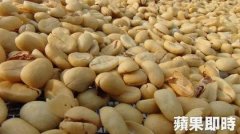
Nicaraguan coffee exports have exceeded 400 million US dollars this harvest year.
For professional baristas, please follow the coffee workshop (official Wechat account cafe_style). According to official statistics, in the first 10 months of this (2016-2017) harvest year, Nicaraguan coffee exports grew by 21.6% in total value and 17.8% in volume. According to the Nicaraguan Export Exchange Center (Cetrex), coffee was exported from Nicaragua from October 1 last year to July 31 this year.

Introduction to the taste and flavor of Ethiopian coffee
In Ethiopia, the grading and quality control system of coffee is divided into three levels: producer, regional and national. All coffee is inspected by local inspection agencies before leaving the country of origin, and then re-tested at the coffee inspection and grading centers in Addis and Diredawa to determine its quality grade. Coffee is graded before auction and sale, for all involved in production, acquisition,

The processing and sale of coffee partners
In 2013, Suzhou's agricultural exports totaled US $510 million, an increase of 8.4% over the same period last year, ranking first in the province for three consecutive years. It is reported that the vast majority of agricultural products exported are deeply processed products, including frozen vegetables, dairy products and vegetable oils, which are mainly sold to Asia, Europe, North America and other places. From a regional point of view, the total exports of Wujiang, Zhangjiagang and Kunshan accounted for more than half of Suzhou.

Ethiopian Coffee Manor Flavor description Grinding degree Variety characteristics introduction to the taste of fine coffee beans
In Ethiopia, the grading and quality control system of coffee is divided into three levels: producer, regional and national. All coffee is inspected by local inspection agencies before leaving the country of origin, and then re-tested at the coffee inspection and grading centers in Addis and Diredawa to determine its quality grade. Coffee is graded before auction and sale, for all involved in production, acquisition,

Introduction to the grading of Ethiopian Coffee
Sun-cured coffee accounts for 65% of exports. Mainly picked by families, red coffee beans are placed on cement floors or on high tables to dry to about 11.5% humidity, then peeled and cleaned. Coffee grading and quality control system in Ethiopia, coffee grading and quality control system is divided into three levels: producer, regional and national. All coffee is required before leaving the country of origin.

Treatment method of Grinding degree and Baking degree of Fine Coffee beans in Coffee Manor (Moka) in Ethiopia
Coffee exports Coffee is Ethiopia's most important export cash crop and a major source of Ethiopia's foreign exchange earnings. Ethiopia's coffee exports account for about 3% of the world market and are the world's eighth largest coffee exporter. Coffee exports increased steadily from 58000 tons in 1990-91 to 110000 tons in 1995-96.

Description of Coffee Raw Bean species and Flavor in Ethiopia; introduction to the characteristics of varieties and regions
In Ethiopia, the grading and quality control system of coffee is divided into three levels: producer, regional and national. All coffee is inspected by local inspection agencies before leaving the country of origin, and then re-tested at the coffee inspection and grading centers in Addis and Diredawa to determine its quality grade. Coffee is graded before auction and sale, for all involved in production, acquisition,
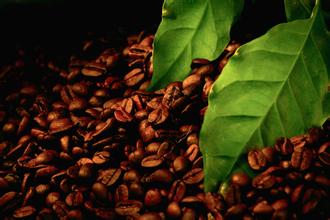
Ethiopian Coffee Flavor description Grinding degree Taste characteristics introduction of fine coffee beans
Washed coffee accounts for 35% of exports. Good quality washed coffee is processed with freshly picked fully ripe fruit, picked carefully and closely monitored by professionals. The picked clean coffee beans are pulped on the day of picking, then fermented, washed, dried and peeled. The humidity of processed coffee beans is kept at about 12%. Sun-cured coffee accounts for 65% of exports. Mainly by

Acidity texture of Ethiopian Yega Sheffivoka Coffee Flavor Flavor Manor Market Development
Coffee is Ethiopia's most important export cash crop and the main source of Ethiopia's foreign exchange earnings. Ethiopia's coffee exports account for about 3% of the world market, making it the eighth largest coffee exporter in the world. Coffee exports increased steadily from 58000 tons in 1990 to 110000 tons in 1995-1996 and remained at this level in the following years. 2001-2002

Ethiopian coffee varieties with wine-like sour taste introduce boutique coffee beans
In Ethiopia, the grading and quality control system of coffee is divided into three levels: producer, regional and national. All coffee is inspected by local inspection agencies before leaving the country of origin, and then re-tested at the coffee inspection and grading centers in Addis and Diredawa to determine its quality grade. Coffee is graded before auction and sale, for all involved in production, acquisition,
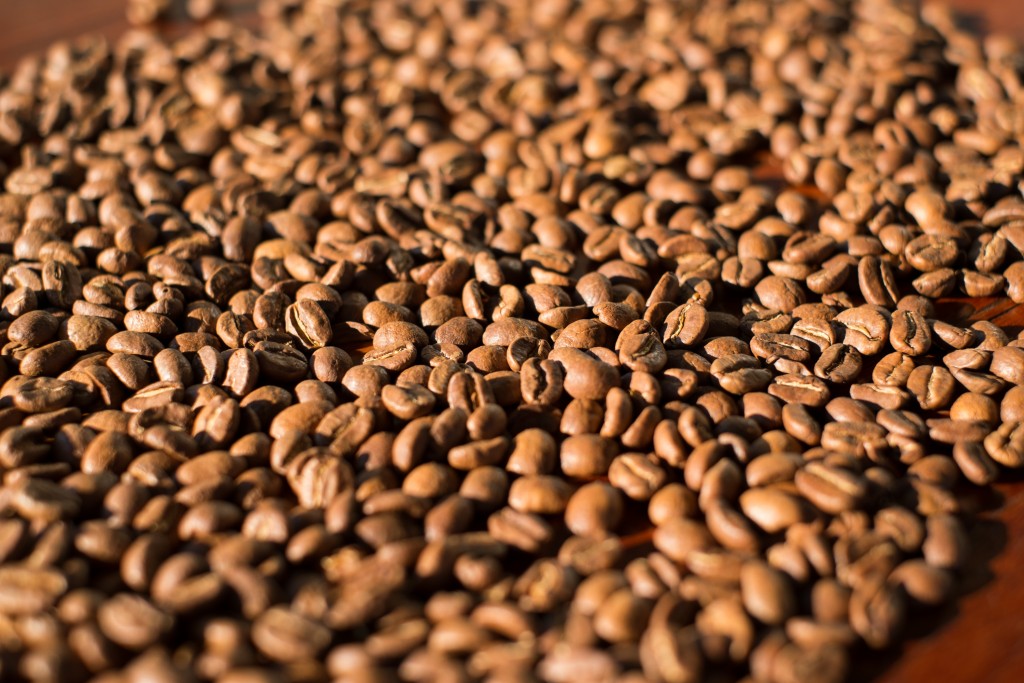
The export volume and volume of Nicaraguan coffee rose.
According to a report by Taiwan's United News Network on August 17, according to the official report of Nicaragua, in the first nine months of this harvest year, Nicaraguan coffee exports increased by 23.2% and 9.5% respectively compared with the same period of the previous year. According to a preliminary report from the Nicaraguan Export Trading Center (Cetrex), from October 2014 to July 2015, Nigeria's coffee exports totaled US $329.2 million.
Honduras becomes the fifth largest coffee exporter in the world
Professional baristas follow the coffee workshop (official Wechat account cafe_style) according to the latest international market research, Honduras has replaced India and Ethiopia as the world's fifth largest coffee exporter. According to the latest report released by the Honduran Coffee exporters Association (Adecafeh) yesterday, the current harvest year (ending at the end of September) ended on July 10.

Flavor description of Ethiopian Lion King Coffee Bean introduction to the Regional treatment method of Manor production
Flavor description of Ethiopian Lion King Coffee beans Coffee is the most important export cash crop and the main source of foreign exchange income in Ethiopia. Ethiopia's coffee exports account for about 3% of the world market, making it the eighth largest coffee exporter in the world. Coffee exports increased steadily from 58000 tons in 1990 to 1995-1996.

Yunnan coffee exports 55,200 tons of coffee in the first half of 2017, 256 million US dollars
Professional barista exchanges, please pay attention to coffee workshop (Weixin Official Accounts cafe_style ) Yunnan Entry-Exit Inspection and Quarantine Bureau (hereinafter referred to as Yunnan Inspection and Quarantine Bureau) held a press conference to announce: In the first half of 2017, Yunnan coffee industry showed a good development trend. The export coffee inspected and quarantined by the Bureau was 55,200 tons and 256 million US dollars, ranking first among the export commodities.
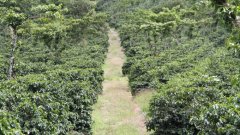
Guatemala Coffee Raw Bean Information Coffee Bean exports rose due to soaring global coffee prices
Guatemala's coffee exports are expected to rise this year. According to a report by Prensa Libre, Guatemala's second-largest newspaper, on September 24th, Guatemala's coffee exports have benefited from higher production and higher prices. According to Anacaf, as of September 8, exports of coffee in 2020-21 were 3.39 million bags of 60 kg coffee, an increase over the previous year.

Introduction to the characteristics of the manor producing area with strong flavor of Ethiopian coffee
In Ethiopia, the grading and quality control system of coffee is divided into three levels: producer, regional and national. All coffee is inspected by local inspection agencies before leaving the country of origin, and then re-tested at the coffee inspection and grading centers in Addis and Diredawa to determine its quality grade. Coffee is graded before auction and sale, for all involved in production, acquisition,

Recommendation of boutique coffee manor; detailed analysis and introduction of coffee beans in Ethiopia (mocha)
Ethiopia's coffee exports account for about 3% of the world market and are the world's eighth largest coffee exporter. Coffee exports increased steadily from 58000 tons in 1990-91 to 110000 tons in 1995-96 and remained at this level in the following years. The export volume exceeded 110000 tons in 2001-2002 and reached 127000 in 2002-2003.